
The AI Act opens a new season for digital tourism

Redazione BTM
- 15/07/2026
Italy is preparing to implement the European regulation on artificial intelligence, a change that is set to impact the travel experience and tourism services.
Artificial intelligence is no longer a technology of the future; it has already entered the daily lives of travelers and those working in tourism. From booking a hotel to chatbots that respond to customers, to personalized itinerary suggestions, AI is increasingly present in travelers' experiences. For this reason, Italy has begun the process of implementing the AI Act, the European regulation aimed at regulating the development and use of artificial intelligence. The government has preliminarily approved legislative decrees that will define the national governance of the matter, identifying control authorities and introducing new guarantees for citizens, workers, and businesses.
According to what was outlined by the Department for European Affairs of the Prime Minister's Office, the measures represent the first step towards the full application of European legislation in Italy and define the national system of oversight and control over the use of artificial intelligence.
Among the main innovations is the appointment of two competent authorities: the Agency for Digital Italy (AgID), responsible for evaluating artificial intelligence systems, and the National Cybersecurity Agency (ACN), which will oversee the market and compliance with the rules. But what does all this mean for tourism?
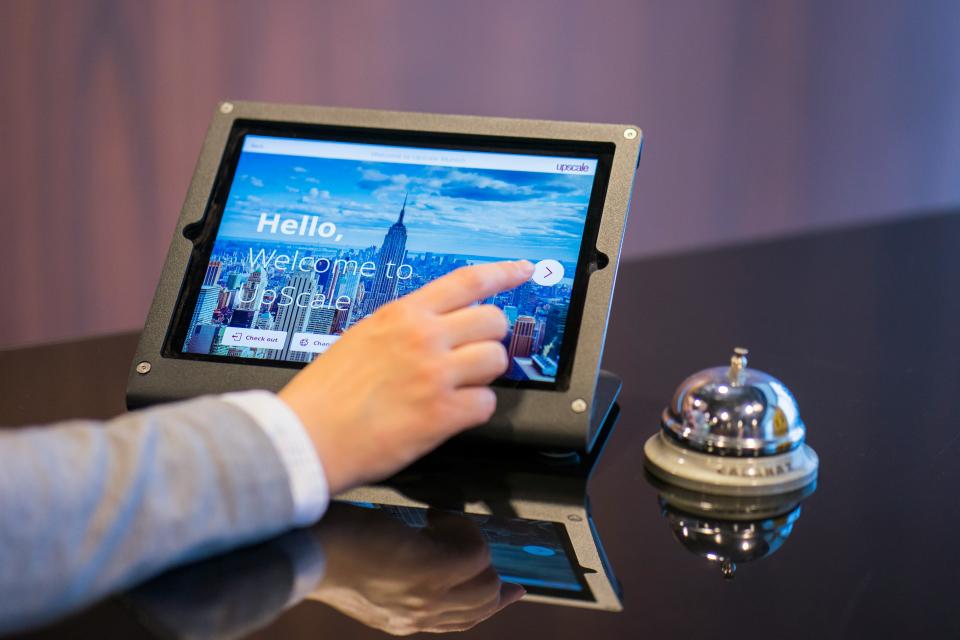
In recent years, tourism has accelerated its digital transformation. Today, numerous accommodation facilities use artificial intelligence to manage bookings, automatically respond to guest requests, translate conversations in real-time, suggest personalized experiences, and optimize room rates based on demand.
Travel agencies are also introducing virtual assistants capable of creating tailored itineraries, while museums, archaeological parks, and tourist destinations are experimenting with AI-based systems to enhance the enjoyment of cultural heritage.
The new rules aim not to stifle innovation but to make it safer and more transparent. For tourism businesses, this means being able to continue investing in new technologies within a clear regulatory framework, increasing customer trust in digital services. The world of work will also be better protected. The decrees indeed provide guarantees so that important decisions, such as those related to hiring or layoffs, cannot be entrusted solely to algorithms.
Artificial intelligence can also be a valuable tool for managing territories. By analyzing visitor flows, it can help administrations better distribute arrivals, reduce overcrowding in the most frequented locations, and enhance lesser-known destinations.
For regions with a strong tourism vocation, AI could help improve mobility, hospitality, and the promotion of the territory, fostering more sustainable tourism and a better experience for visitors. Artificial intelligence is set to become an increasingly important presence in the tourism sector. From planning a trip to staying in a hotel, to discovering the territory, many experiences will be accompanied by intelligent tools.
The challenge will be to find the right balance between innovation and the protection of people. This is precisely the goal of the AI Act: to create an ecosystem in which technology, safety, and quality of services can grow together, offering new opportunities for Italian tourism.
Photo credit: Proxyclick Visitor Management System on Unsplash