
River cruises. Europe seen from the river

Redazione BTM
- 21/07/2026
There is a way of traveling that is quietly growing, away from the major ports and cities besieged by mass tourism.
It is that of river cruises, a formula that is increasingly winning over travelers thanks to a mix of slowness, culture, and comfort. Ships of modest size, a few hundred passengers, relaxed rhythms, and itineraries that traverse the heart of cities and European landscapes: a different experience from traditional sea cruises, increasingly appreciated by those seeking authenticity and a more direct contact with the territories.
The phenomenon is particularly evident in Europe. The Danube, Rhine, Seine, Rhône, and Douro now represent true "highways of slow tourism".
According to the Cruise Lines International Association (CLIA), bookings continue to grow, driven by the demand for immersive experiences and the possibility of visiting multiple destinations without changing hotels.
The difference compared to a traditional cruise is evident from the first day. River ships generally host no more than 200 people and almost always dock in the heart of cities, allowing easy access to museums, squares, historic neighborhoods, and other tourist attractions.
The journey thus becomes an integral part of the vacation. There are no long days of sailing in open sea, but a succession of vineyards, castles, monasteries, medieval villages, and European capitals observed from the ship's deck. Excursions also follow this philosophy: tastings in wineries, cycling tours, guided visits with local experts, gastronomic experiences, and nature itineraries. It is not only the way of traveling that is changing, but also who chooses to do it. If in the past river cruises were mainly associated with a senior audience, today they are also attracting couples, young professionals, and people drawn to slow tourism and more authentic experiences.
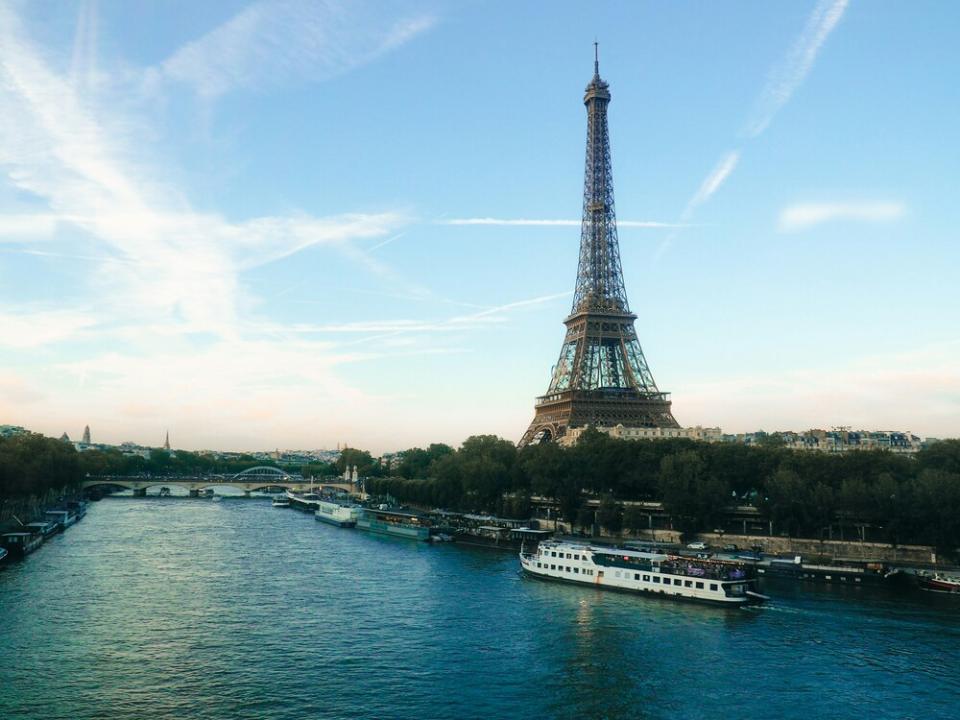
The Danube remains the most requested itinerary, thanks to a route that connects iconic cities like Vienna, Bratislava, and Budapest. The Rhine attracts enthusiasts of medieval castles and vineyards, while the Seine allows for the discovery of France from Paris to Normandy.
In recent years, the popularity of the Douro in Portugal has also grown, among hills adorned with vineyards and historic wineries, as well as that of the Rhône and Saône, which traverse some of the most famous gastronomic territories of France. Alongside the great classics, cruises dedicated to Christmas markets, cycling tourism, wine, and even photography are emerging, a sign of an increasingly specialized offering.
The phenomenon is not yet widespread in Italy, which, despite being one of the main global destinations for sea cruises, has not developed a true market for river cruises. The reasons are mainly geographical and infrastructural: Italy's major rivers are less navigable than those in Central Europe, and the network of tourist landings is much more limited.
This does not mean that the sector does not exist. On the contrary, in recent years, proposals that enhance the Po, the Po Delta, the Mincio, the Venice lagoon, and the Brenta have been growing, with itineraries that combine nature, art, and gastronomy. However, this is still a niche offering, often aimed at small groups or an international audience already accustomed to this type of vacation.
This limited diffusion could represent the main margin for growth. The boom in slow tourism, the increasing attention to inland areas, and the search for sustainable experiences make Italy's waterways a heritage still largely to be enhanced.
River cruises seem to perfectly intercept one of the great changes in contemporary tourism: the desire to slow down. More and more travelers prefer to dedicate time to discovering territories rather than accumulating stops, choosing experiences capable of connecting landscape, culture, and local communities.
In this scenario, Italy is starting late compared to major European competitors, but it has a natural, historical, and cultural heritage that could transform its rivers into new itineraries for experiential tourism. An open challenge, looking to the future while following the slow rhythm of water.
Photo credit: Lens by Benji for Unsplash