
Fashion, shopping, travel: Italian fashion tourism

Redazione BTM
- 16/10/2025
Runways, ateliers, and museums become unforgettable experiences for those who love fashion.
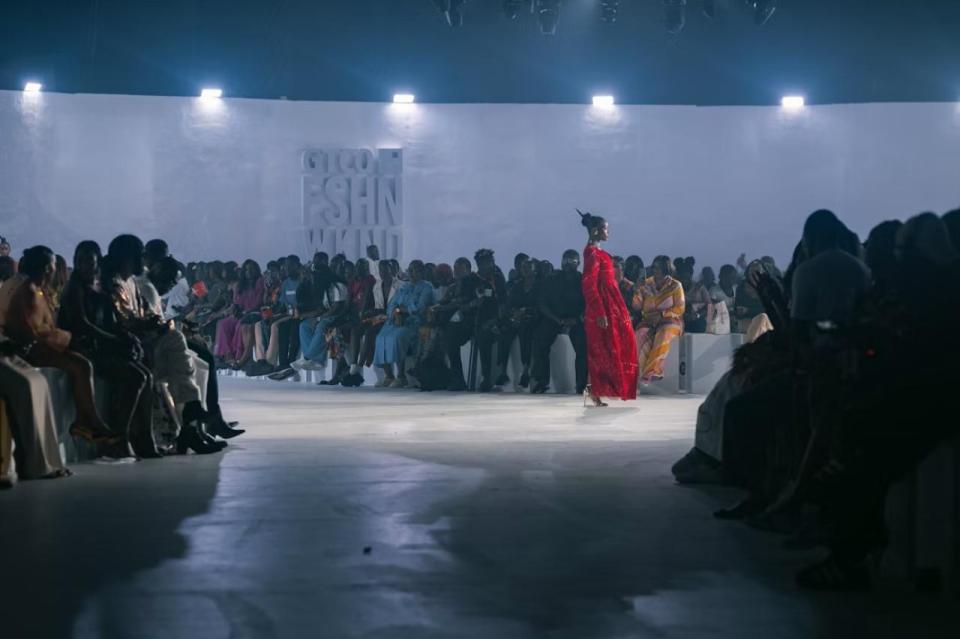
There are those who travel for food, those who travel for art, and those who travel for shopping. In Italy, these three pleasures often intertwine, triggering a mechanism that moves millions of people every year, attracted by fashion shows, ateliers, outlets, museums, and neighborhoods symbolizing luxury and style.
Fashion is increasingly establishing itself as a common thread of unique experiences, so much so that the so-called “shopping tourism”, or tourism related to purchases, is currently one of the strongest engines of luxury travel, and Italy, with its heritage of style and craftsmanship, is among the most desired destinations in the world.
Let’s start with Milan. The Lombard capital not only confirms itself as the fashion capital but also as one of the most vital economic engines of Italy.
The overall estimated tourism revenue for the last edition is around 239 million euros (238.9 million), an increase of 12.3% compared to 2024. At least, according to data from the Confcommercio Study Center for Milan, Lodi, Monza, and Brianza. Around the event, there is a constant growth, not only in terms of participation but also in impact on commerce, hospitality, and urban mobility. About 149,000 visitors were reported, of which 46% came from abroad: an international audience that testifies to the global strength of the brand “Milan”.
But it’s not just about runways. Fashion tourism is closely linked to shopping, a form of travel that tells the identity of a country through its products.
Those who come to Italy to shop related to the fashion segment often combine the useful with the pleasurable, discovering the leather workshops of Florence, the tailoring shops of Naples, and the silk factories of Como, immersing themselves in the history of Made in Italy.
Who spends the most? Foreigners, of course. Americans and Chinese remain at the top for tax-free purchases, but Middle Eastern and Korean tourists are also growing, attracted by personalized shopping experiences and private boutiques. The wealthiest buyers, while representing only a small part of the total, generate over a third of the entire spending. On average, an international visitor spends more than 1,600 euros during their stay, and almost half goes to fashion.
Of course, it’s no longer just about purchasing, but about experience. Many travelers want to live fashion from the inside: participate in a tailoring workshop in Florence, visit the archives of a Milanese maison, or create a custom perfume in Grasse or Venice.
There are many specialized agencies that offer tailor-made experiences in the fashion sector. A fashion tour in Italy offers immersive moments in the world of fashion, such as: visits to exclusive boutiques and showrooms; meetings with designers and artisans to learn the techniques behind the creation of high fashion garments; participation in thematic workshops like styling lessons, perfume creation, or tailoring; access to special events such as private fashion shows or visits to fashion museums, and last but not least, personalized shopping with the assistance of expert personal shoppers.
Milan is undoubtedly the capital of Italian fashion, but Florence, with its tailoring tradition and the presence of fashion museums (Salvatore Ferragamo Museum and Gucci Museum), and Rome, with its elegant neighborhoods and high-end boutiques, are not far behind.
Traveling for fashion is a way to explore the world through its details. A fabric, or even a small detail, are fragments of larger stories that lead back to territories, traditions, culture, and people. And nowhere like in Italy is shopping so infused with identity. Here, buying is never just about possession: it’s participating in a narrative that continues and enriches season after season.