
Eclipse tourism: destination Black Sun

Redazione BTM
- 06/08/2026
Two minutes of darkness, a trip to remember!
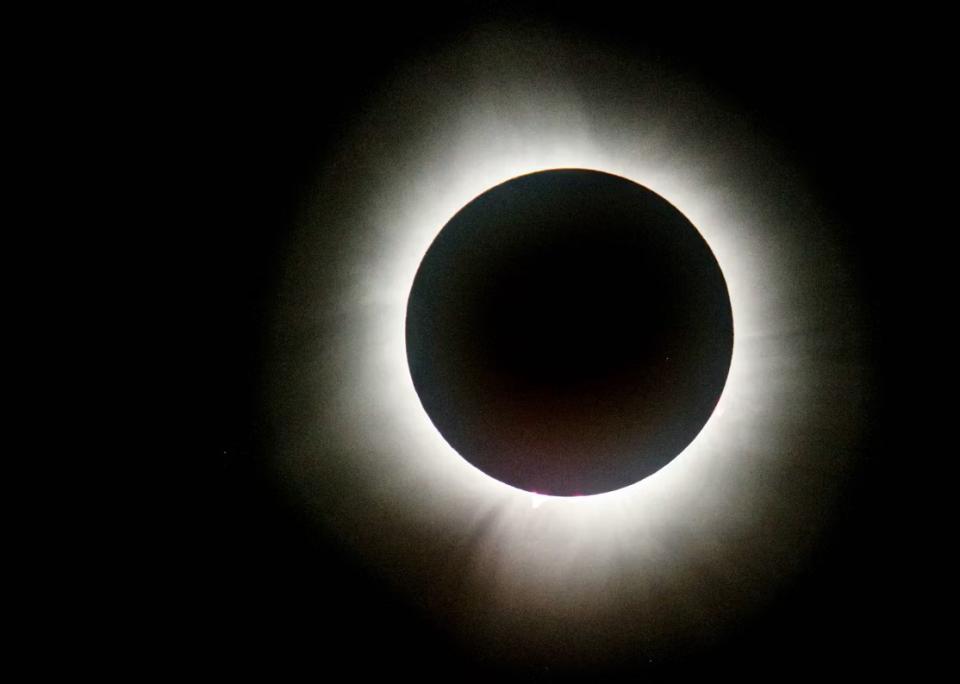
It is not just an astronomical event. The total solar eclipse of August 12, 2026, is set to be one of the major tourist events of the year, capable of attracting thousands of enthusiasts, photographers, curious onlookers, and travelers seeking an unforgettable experience. For a few minutes, day will turn into night, and the sky will offer a spectacle that, for many, is worth a trip.
The path of totality will cross Greenland, Iceland, and especially Spain, where the phenomenon will be visible in all its spectacularity. It is no coincidence that the Iberian Peninsula is already at the center of international tourism attention: hotels, accommodations, and tour operators are seeing strong interest from those wishing to witness the event from one of the best observation points.
The eclipse represents one of the most significant examples of astrotourism, a continuously growing segment that combines a passion for the sky with the discovery of territories. From the northern lights to the starry skies of national parks, to exceptional astronomical events, more and more travelers are choosing their vacation destinations based on the celestial calendar.
For Spain, August 12 will also be an important opportunity for territorial promotion. Regions such as Aragon, Catalonia, the Valencian Community, and the Balearic Islands, crossed by the path of totality or close to the best observation points, are preparing dedicated initiatives, educational events, nature trails, and activities to enhance the landscape and cultural heritage in conjunction with the phenomenon.
The interest does not only concern astronomy enthusiasts. The eclipse becomes an experience to be lived with family, a travel motivation capable of combining culture, nature, gastronomy, and wellness. It is the principle of experiential tourism: reaching a destination not just to visit it, but to live a unique and unrepeatable moment.
Italy will also be able to witness the event, albeit partially. At sunset on August 12, the Sun will appear obscured to varying degrees depending on the regions, and numerous astronomical observatories, planetariums, and associations will organize public events to allow the public to safely follow the phenomenon.
The 2026 eclipse also represents an opportunity to reflect on a rapidly expanding sector. According to international tourism trends, astrotourism is among the most dynamic sectors of sustainable tourism: it enhances inland areas, natural parks, and destinations far from mass tourism, promoting the protection of the night sky as an environmental and cultural resource.
For those dreaming of witnessing totality, the key word is one: plan ahead. Accommodations in the affected areas are already receiving numerous bookings, and experts advise organizing the trip well in advance, choosing locations with high probabilities of clear skies and remembering that observing the phenomenon always requires the use of certified filters and glasses.
For a few minutes, the Moon will completely obscure the Sun. But for the destinations that will host this extraordinary spectacle of nature, the eclipse of August 12 will leave a legacy destined to last much longer, confirming how even the sky can become an extraordinary resource for tourism.
Photo credit: Mark Vihtelic for Unsplash